K2‑SPRING Q-ENERGY Innovator Unit グリーンイノベーションユニット
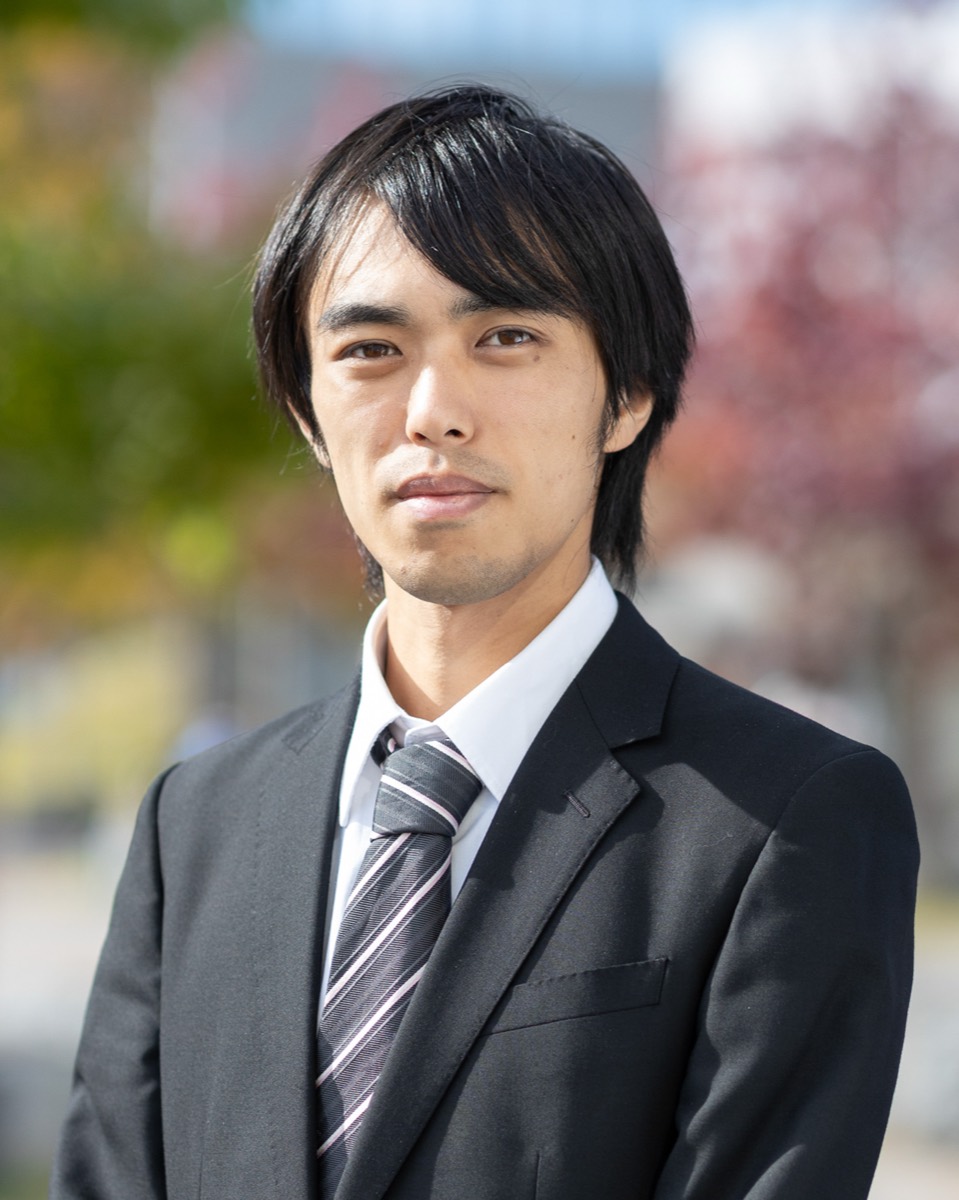
Kentaro Wada Photo
wada_kentaro.jpg
2023 Cohort 2023年度
Q-ENERGY Fellowship · Cohort 2023 Q-ENERGYフェローシップ · 2023年度

Kentaro Wada

和田 健太郎

Affiliation
所属
Graduate School of Engineering
工学府
Major / Department
専攻
Department of Mechanical Engineering
機械工学専攻
Supervisor
指導教員
Prof. Masanobu KUBOTA久保田 祐信 教授
§ 01

Doctoral research

博士 研究

Main PhD work 博士課程主研究

Elucidating the mechanisms of reduce creep life in hydrogen to ensure the safety of advanced high-temperature hydrogen technologies

高温水素利用機器の安全性を確実にするための水素中クリープ寿命低下の機構解明に関する研究

Advanced high-temperature hydrogen technologies, such as SOEC for hydrogen generation and SOFC for hydrogen power generation, are expected to play a significant role in achieving carbon neutrality by 2050. The structural components of these devices are subjected to a very aggressive environment, which is high-temperature and hydrogen. Furthermore, considering creep deformation is essential in designing mechanical components that operate at high temperature. However, the understanding of degradation of structural materials in high-temperature hydrogen remains insufficient. The objective of this study is to elucidate the mechanisms by which hydrogen affects creep deformation. To achieve this, I will collaborate internationally and interdisciplinarily with Professor Kirchheim at the University of Gottingen, who has developed the defactant theory based on thermodynamics for hydrogen embrittlement at room temperature, along with his colleagues.

SOECによる水素製造やSOFCによる水素発電などの先進高温水素利用技術は2050年のカーボンニュートラル実現に大きな役割が期待されている.これらの機器の構造部材は「高温」+「水素」という極めて過酷な環境に曝される.高温で負荷を受ける部材の設計にはクリープ強度の考慮が必要不可欠であるが,クリープ変形に及ぼす水素の影響は十分に明らかになっていない.本研究では水素がクリープ寿命を低下させる機構の解明を目指す.国際共同の分野横断研究として熱力学による Defactant theory に基礎をおくドイツ・ゲッチンゲン大学の Professor Kirchheim らと共同研究を実施する.

§ 02

Research achievements

研究 成果

Research Papers論文
  1. Zhang N.; Wada K.; Komoda R.; Staykov A.; Kubota M. “Kinetic modeling of ammonia and hydrogen dissociative co-adsorption on iron surface and its effect on hydrogen embrittlement” Physical Chemistry Chemical Physics, Vol. 27(45), pp. 24589–24600 (2025) doi:10.1039/d5cp02423d
  2. Vijayvargia K.; Dadfarnia M.; Sofronis P.; Kubota M.; Staykov A.; Wada K.; Pugh J.A.; Eason T.J. “Three-dimensional constraint-based void-growth model for high temperature hydrogen attack” International Journal of Fracture, Vol. 243(2), pp. 203–228 (2023) doi:10.1007/s10704-023-00739-2
  3. Komoda R.; Kubota M.; Staykov A.; Zhang N.; Wada K. “Effect of water temperature in the deep sea on the mitigation of hydrogen embrittlement by O2 impurity” Engineering Failure Analysis, Vol. 180, 109885 (2025) doi:10.1016/j.engfailanal.2025.109885
Conference Presentations学会発表
  1. Kubota M.; Takazaki D.; Komoda R.; Wada K.; Tsuchiyama T.; Dadfarnia M.; Somerday B.P.; Sofronis P. “Effect of Hydrogen on Creep Properties” Minerals, Metals and Materials Series, pp. 1541–1548 (2022) doi:10.1007/978-3-030-92381-5_146
Other Achievementsその他の業績
  1. Coming soon準備中
Programme & institutional affiliation プログラム・機関情報
K2-SPRING JST SPRING programmeJSTスプリングプログラム
Q-PIT Unit coordinatorユニットコーディネーター
Q-Energy Innovator Unit Q-Energy Innovator Unitグリーンイノベーションユニット

Kyushu University Host universityホスト大学