September 18, 2026
Eventイベント
Two Fellows Presented at the 21st Q-DeCS Workshop — September 29, 2026
九州脱炭素化研究会 第21回ワークショップ(2026年9月29日)— ユニット生2名が研究発表
Ryoshi Oda and Yuki Nishimura presented their doctoral research at the 21st Workshop of the Decarbonization Society in Kyushu (Q-DeCS), held on Tuesday, 29 September 2026 at Inamori Hall on the Ito Campus and streamed online.
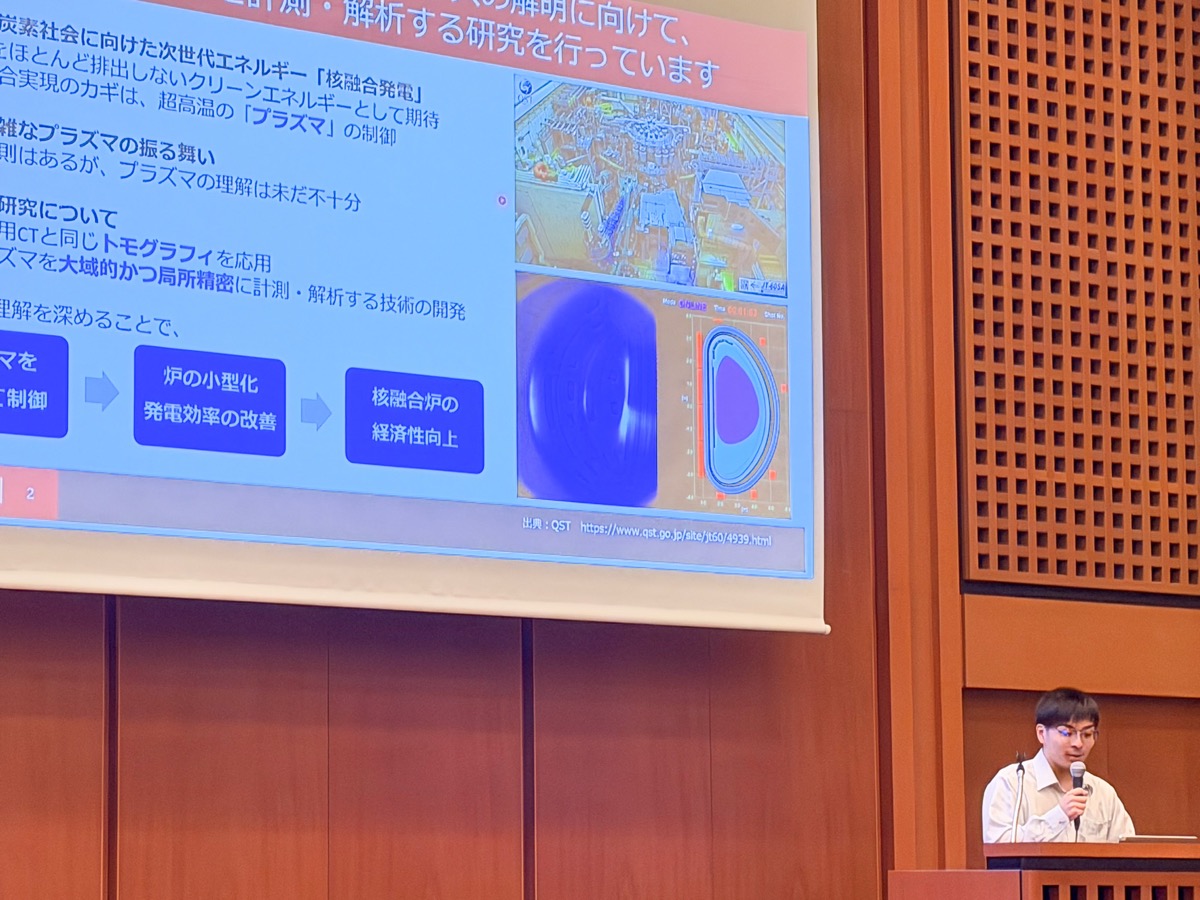
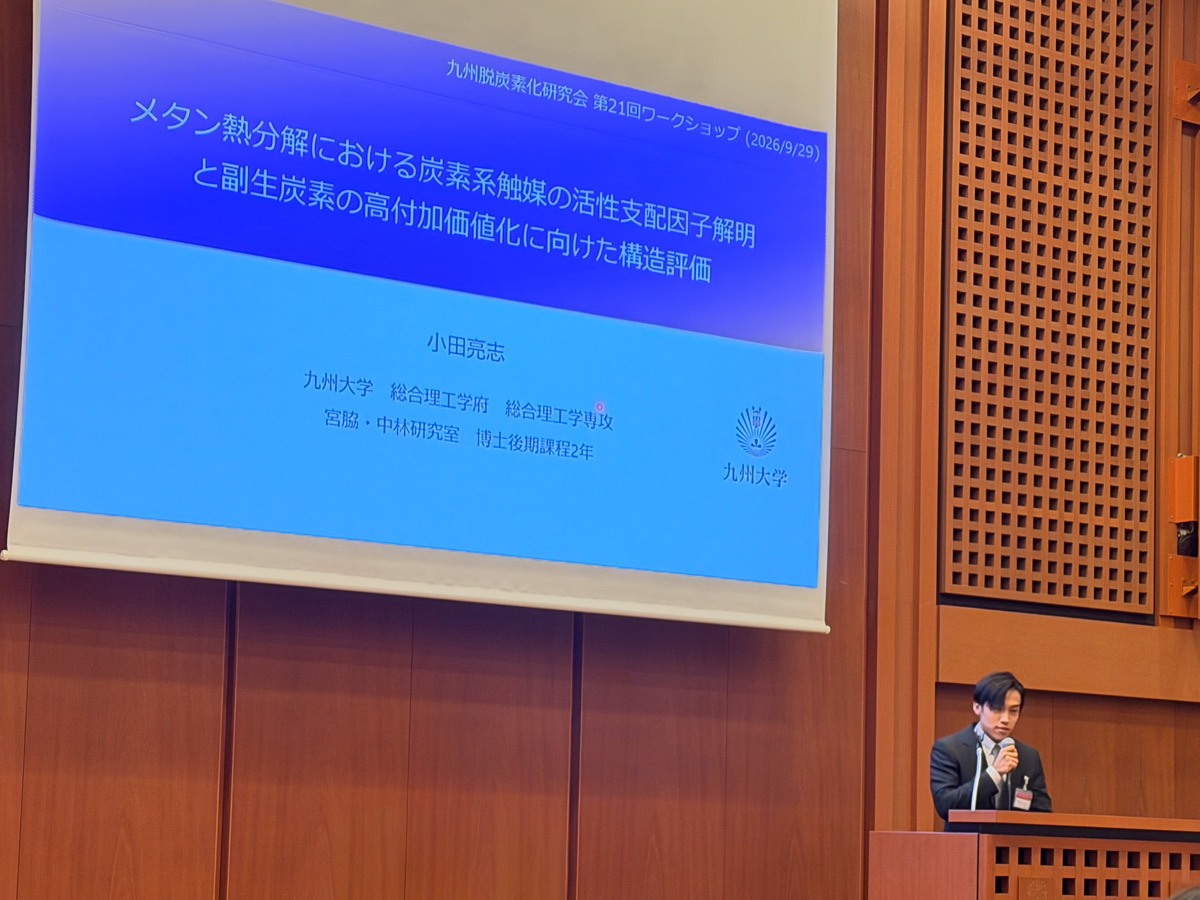
2026年9月29日(火)に九州大学伊都キャンパス・稲盛ホールにてハイブリッド開催された「九州脱炭素化研究会(Q-DeCS)第21回ワークショップ」にて、ユニット生の小田亮志さんと西村勇輝さんが博士研究の発表を行いました。
The Decarbonization Society in Kyushu (Q-DeCS) held its 21st workshop on Tuesday, 29 September 2026, from 14:00 at Inamori Hall, Inamori Center, Kyushu University Ito Campus. The afternoon closed with a doctoral research session in which two fellows of the Q-ENERGY Innovator Unit presented, both from the Department of Interdisciplinary Science and Engineering, Interdisciplinary Graduate School of Engineering Sciences: Ryoshi Oda and Yuki Nishimura. The session, from 16:25 to 16:55, was chaired by Prof. Roman Selyanchyn of Q-PIT.
2026年9月29日(火)14:00より、九州大学伊都キャンパス・稲盛財団記念館 稲盛ホールにて、九州脱炭素化研究会(Q-DeCS)第21回ワークショップが開催されました。プログラム最後の「博士研究紹介」では、Q-ENERGYイノベーターユニットから、総合理工学府 総合理工学専攻の小田 亮志さんと西村 勇輝さんの2名が登壇しました。同セッション(16:25〜16:55)の座長は、Q-PIT 准教授 セリャンチン・ロマンが務めました。
The two talks looked at clean energy from very different angles. Oda, supervised by Prof. Koji NAKABAYASHI of the Institute for Materials Chemistry and Engineering, studies carbon catalysts for producing hydrogen from methane without CO2 emissions. Nishimura, supervised by Prof. Naohiro KASUYA of the Research Institute for Applied Mechanics, is developing tomography to image turbulence in fusion plasmas. Their abstracts are below.
2名の発表は、クリーンエネルギーをまったく異なる角度から捉えたものでした。先導物質化学研究所の中林 康治 准教授のもとで研究する小田さんは、CO2を排出せずにメタンから水素をつくる炭素系触媒に取り組んでいます。応用力学研究所の糟谷 直宏 教授のもとで研究する西村さんは、核融合プラズマ中の乱流を可視化するトモグラフィ計測の開発を進めています。各発表の概要は下記のとおりです。
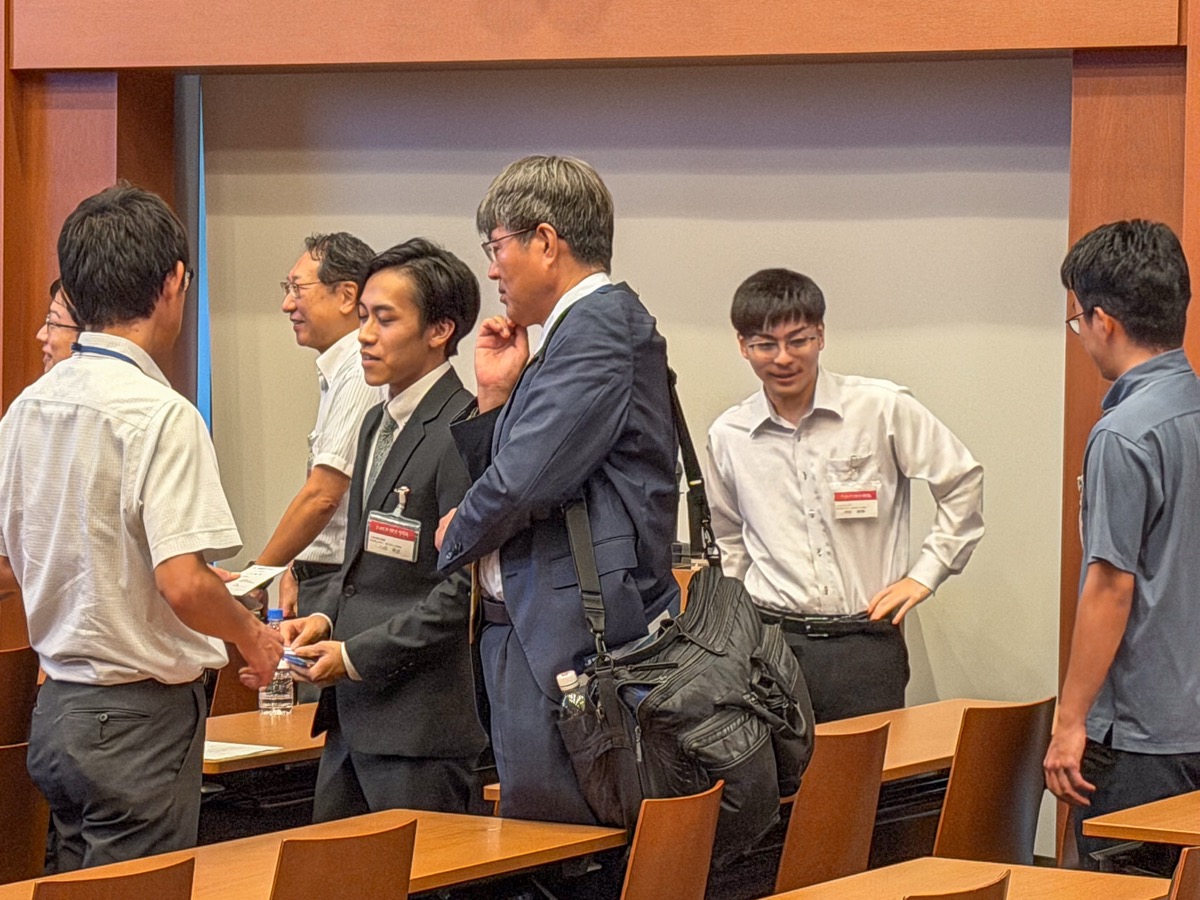
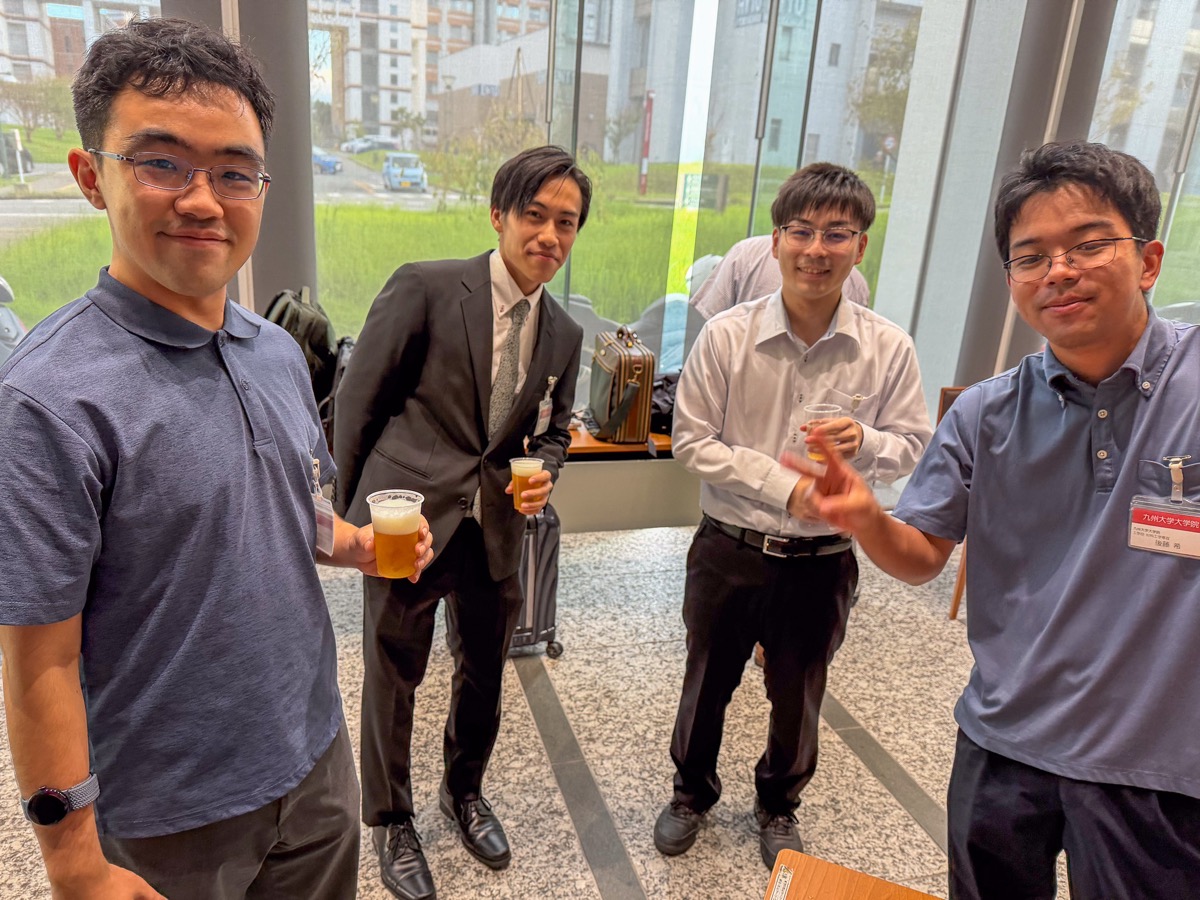
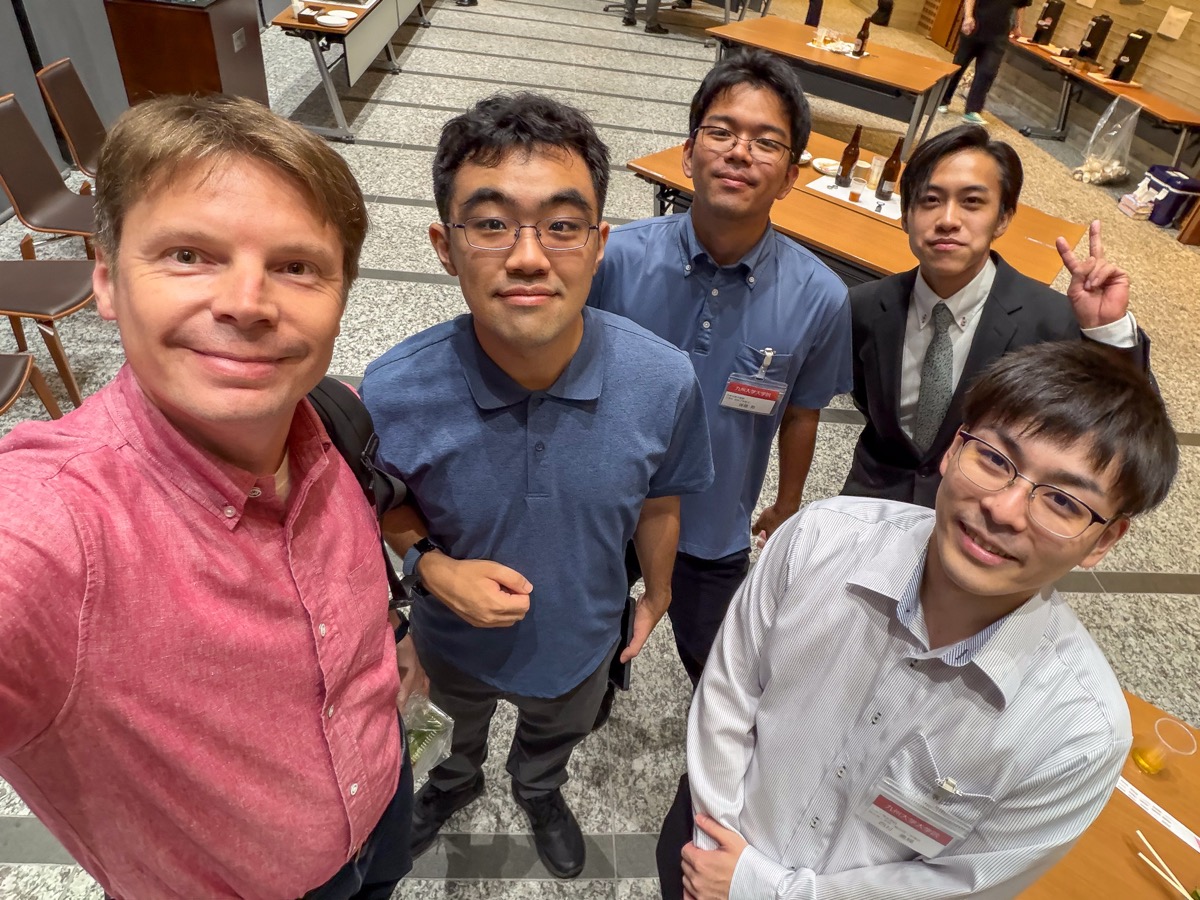
The workshop ran from 14:00 to 17:00 and was followed by a networking reception from 17:00 to 18:00 in the ground-floor foyer of the Inamori Center, where speakers, fellows and other participants continued their conversations.
ワークショップは14:00〜17:00に行われ、その後17:00〜18:00には稲盛財団記念館1階ホワイエで交流会が開かれ、講演者やユニット生をはじめとする参加者が交流を深めました。
Event Details開催概要
Date日時Tuesday, 29 September 2026, 14:00–18:00 (JST), including the reception令和8年9月29日(火)14:00〜18:00(交流会を含む)
Doctoral session博士研究紹介16:25–16:55 — Chair: Prof. Roman Selyanchyn (Q-PIT)16:25〜16:55 — 座長:Q-PIT 准教授 セリャンチン・ロマン
Venue場所Inamori Hall, Inamori Center, Kyushu University Ito Campus — hybrid九州大学伊都キャンパス 稲盛財団記念館 稲盛ホール ※ハイブリッド開催
Event名称Decarbonization Society in Kyushu (Q-DeCS), 21st Workshop九州脱炭素化研究会 第21回ワークショップ
Presenters from the Unitユニットからの発表者
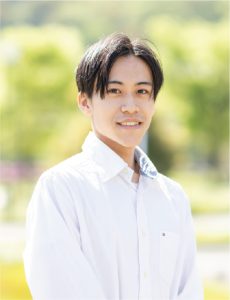
Ryoshi Oda小田 亮志
Methane pyrolysis over carbon-based catalysts: identifying what governs their activity, and characterising the structure of the by-product carbon toward high-value uses
メタン熱分解における炭素系触媒の活性支配因子解明と副生炭素の高付加価値化に向けた構造評価
On the way to a sustainable hydrogen society, “turquoise hydrogen”, a next-generation clean energy produced without emitting CO2, is attracting growing attention. It is made by methane pyrolysis, a process that has conventionally relied on metal catalysts. These deliver clean hydrogen, but they also leave large amounts of by-product carbon contaminated with metal, and handling that carbon and finding uses for it is a major barrier to bringing the process into practice. This research takes on the challenge of using carbon itself as the catalyst instead of metal. That keeps metal out of the by-product carbon, so it can be recovered and reused as a high-value carbon material. The talk unravels the mechanism of carbon-based catalysts, a largely unexplored area, together with the structure of the by-product carbon, and sets out a path toward a decarbonized society that achieves both clean hydrogen production and effective use of carbon resources.
持続可能な水素社会に向け、製造時にCO2を排出しない次世代クリーンエネルギー「ターコイズ水素」が大きな注目を集めています。この水素を製造するメタン熱分解プロセスでは従来、金属触媒が用いられてきました。しかし、クリーンな水素が得られる反面、金属が混入した「副生炭素」が大量に生じてしまい、その処理や用途開発が社会実装に向けた大きな障壁となっています。そこで本研究は、金属の代わりに「炭素」を触媒として用いるプロセスに挑戦しています。これにより、副生炭素への金属混入を防ぎ、高付加価値な炭素材料としての再利用(資源化)が可能になります。本発表では、未開拓な領域である炭素系触媒のメカニズムと副生炭素の構造を紐解き、「クリーンな水素製造」と「炭素資源の有効活用」を両立する、新たな脱炭素社会への道筋をご紹介します。
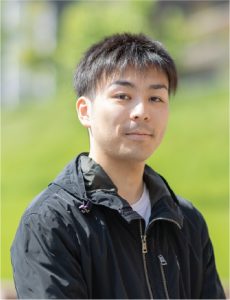
Yuki Nishimura西村 勇輝
Developing plasma tomography for fusion reactors
核融合炉におけるプラズマトモグラフィの開発
Fusion power requires plasma at more than 100 million degrees to be confined stably. In tokamak fusion reactors, however, turbulence develops in the plasma and carries heat and particles outward, degrading confinement. Plasma turbulence spans many scales, from small electron-scale fluctuations to large ones that extend across the whole plasma, and these interact to form complex structures in space and time. Understanding it therefore takes more than local measurements: it needs a system that can capture the structure of the entire plasma and how that structure changes over time. To lay the technical foundation for future measurements of tokamak plasmas, this research has built a prototype system that combines the PANTA linear plasma device with tomographic measurement, and is developing methods to measure and analyse the structure and dynamics of turbulence.
核融合発電の実現には、1億度を超える高温のプラズマを安定して閉じ込める必要があります。しかし、トカマク型核融合炉のプラズマ中では乱流現象が生じ、熱や粒子を輸送することで、プラズマの閉じ込め性能が低下することが課題となっています。プラズマ乱流では、電子スケールの小さな揺らぎから、プラズマ全体に広がる大きな揺らぎまで、様々なスケールの揺らぎが相互作用し、複雑な時空間構造を形成しています。このプラズマ乱流を理解するためには、局所的な計測だけでなく、プラズマ全体の構造とその時間変化を計測できるシステムが必要です。そこで本研究では、将来的なトカマクプラズマの計測に向けた技術基盤を確立するため、直線プラズマ装置PANTAとトモグラフィ計測を組み合わせたプロトタイプシステムを構築し、乱流の構造やダイナミクスを計測・解析する手法の開発を進めています。