July 17, 2026
Eventイベント
Two Fellows Presented at the 20th Q-DeCS Workshop — July 22, 2026
九州脱炭素化研究会 第20回ワークショップ(2026年7月22日)— ユニット生2名が研究発表
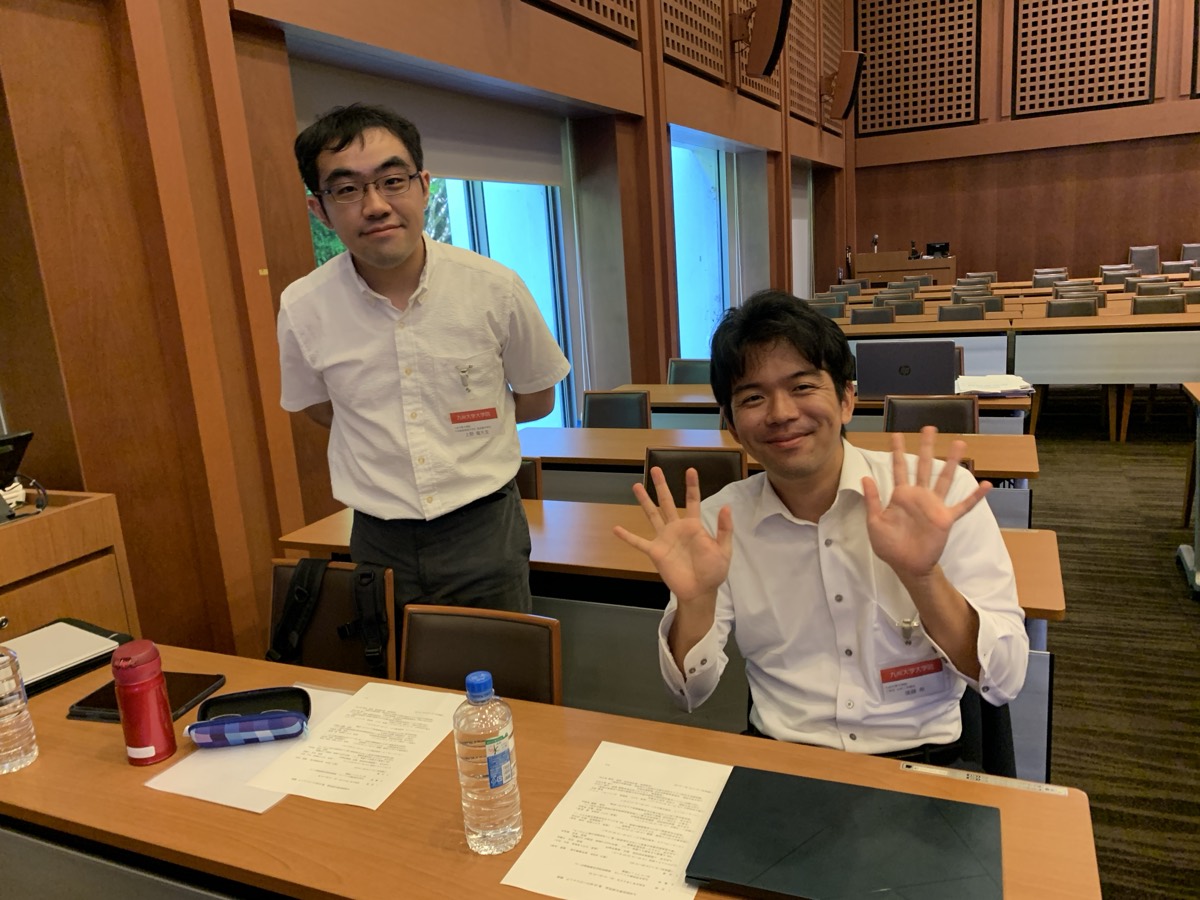
Nozomu Goto and Ryudai Ueno presented their doctoral research at the 20th Workshop of the Decarbonization Society in Kyushu (Q-DeCS), held on Wednesday, 22 July 2026 at Inamori Hall on the Ito Campus and streamed online.
2026年7月22日(水)に九州大学伊都キャンパス・稲盛ホールにてハイブリッド開催された「九州脱炭素化研究会(Q-DeCS)第20回ワークショップ」にて、ユニット生の後藤希さんと上野竜大生さんが博士研究の発表を行いました。
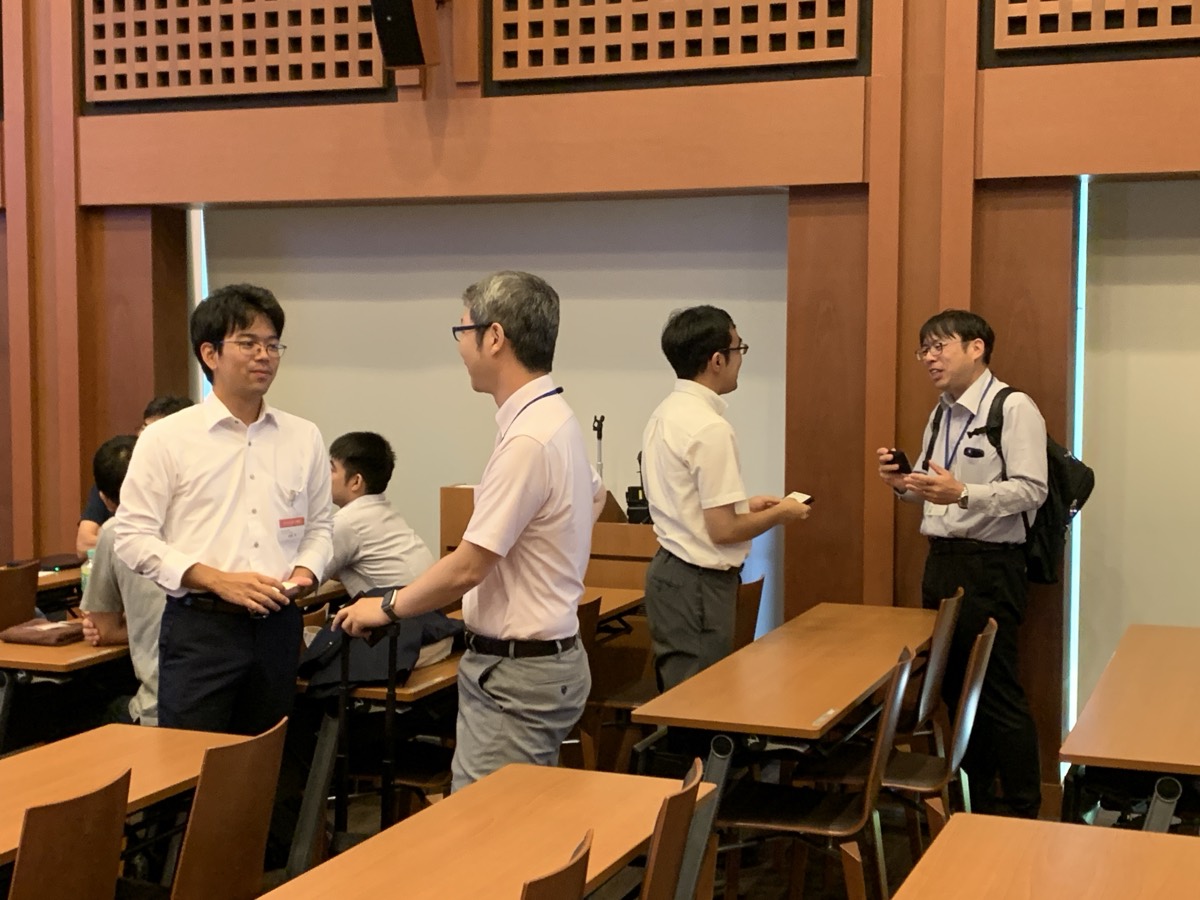
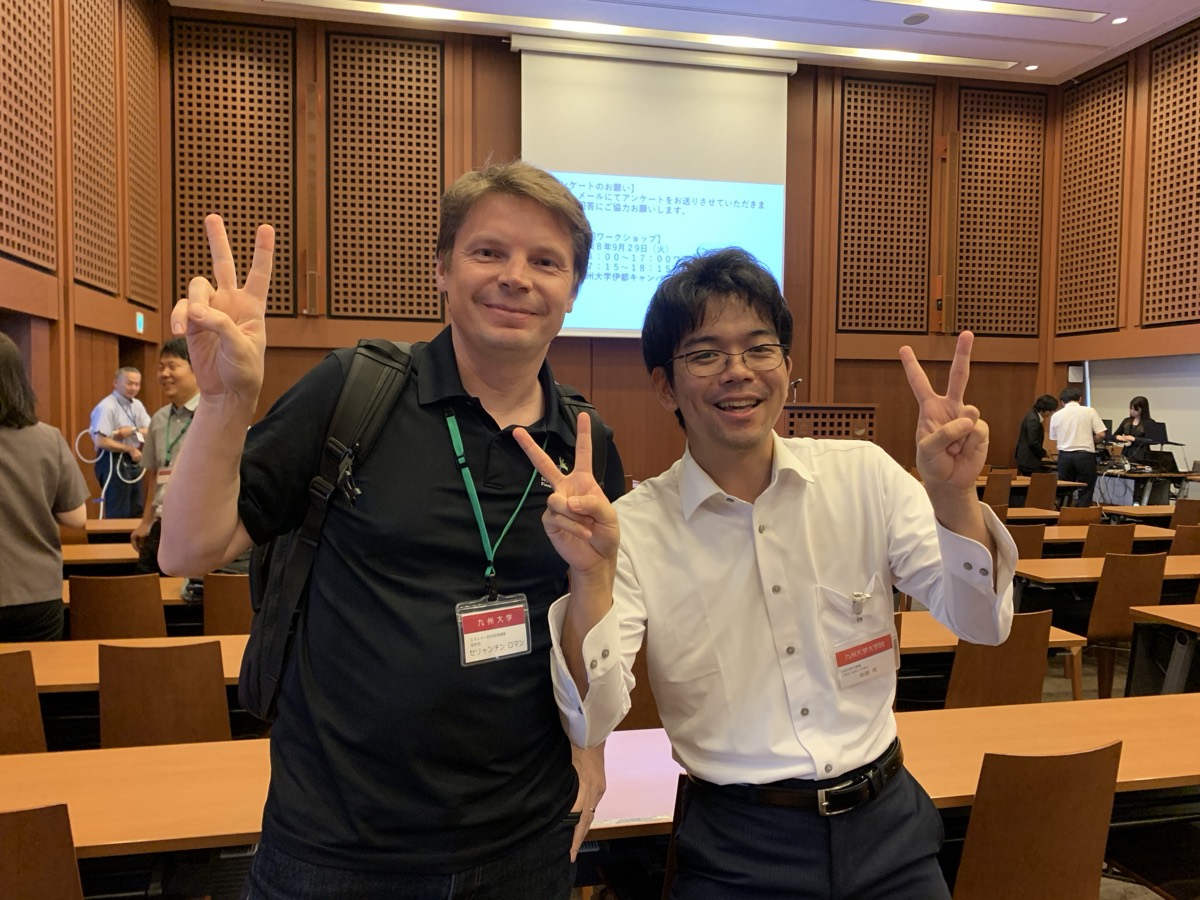
The Decarbonization Society in Kyushu (Q-DeCS) held its 20th workshop on Wednesday, 22 July 2026, from 14:00 to 16:50 at Inamori Hall, Inamori Center, Kyushu University Ito Campus. The afternoon ran from university project research through an industry perspective on financing to individual research seeds, and closed with a doctoral research session in which two fellows of the Q-ENERGY Innovator Unit presented: Nozomu Goto, of the Department of Materials Science and Engineering, and Ryudai Ueno, of the Department of Agricultural and Environmental Biology. That session was chaired by Associate Prof. Roman Selyanchyn of Q-PIT.
2026年7月22日(水)14:00〜16:50、九州大学伊都キャンパス・稲盛財団記念館 稲盛ホールにて、九州脱炭素化研究会(Q-DeCS)第20回ワークショップが開催されました。プロジェクト研究の紹介にはじまり、金融機関から見た社会実装の課題、個別の研究シーズ紹介と続き、最後の「博士研究紹介」では、Q-ENERGYイノベーターユニットから2名が登壇しました。工学府 材料工学専攻の後藤 希さんと、生物資源環境科学府 環境農学専攻の上野 竜大生さんです。同セッションの座長は、Q-PIT 准教授 セリャンチン・ロマンが務めました。
The two approached decarbonization from opposite ends. Goto, supervised by Prof. Yoshihiro YAMAZAKI, works on the materials side, on the durability of proton-conducting fuel cells at low operating temperatures. Ueno, supervised by Prof. Noriko SATO, works on the land-use side, on what grows back after Japan's post-war plantation forests are harvested. Pairing them in one session was characteristic of Q-DeCS, which brings the region's decarbonization researchers together across disciplines.
2名の研究は、脱炭素という課題を対照的な角度から捉えています。山崎 仁丈 教授のもとで研究する後藤さんは材料の側から、低温動作におけるプロトン伝導性燃料電池の耐久性に取り組んでいます。佐藤 宣子 教授のもとで研究する上野さんは土地利用の側から、戦後造成された人工林の伐採後に何が再生するのかを追っています。異分野の研究者が一堂に会するQ-DeCSならではの組み合わせでした。
The workshop was held in hybrid format. Because seating at the venue was limited, unit members and supervisors joined by online viewing, following details circulated in advance by the IQ Office.
本ワークショップはハイブリッド開催され、会場の都合により、ユニット生・指導教員の皆さまにはIQ支援室より事前にご案内した方法でオンライン視聴にてご参加いただきました。
Event Details開催概要
Date日時Wednesday, 22 July 2026, 14:00–16:50 (JST)令和8年7月22日(水)14:00〜16:50
Venue場所Inamori Hall, Inamori Center, Kyushu University Ito Campus — hybrid (online viewing for unit members)九州大学伊都キャンパス 稲盛財団記念館 稲盛ホール ※ハイブリッド開催(ユニット生はオンライン視聴)
Event名称Decarbonization Society in Kyushu (Q-DeCS), 20th Workshop九州脱炭素化研究会 第20回ワークショップ
Presenters from the Unitユニットからの発表者
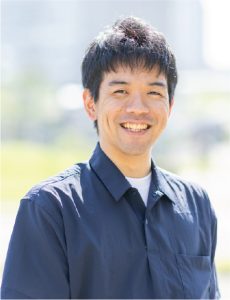
Nozomu Goto後藤 希
Elucidating the degradation mechanism of proton-conducting solid oxide fuel cells operating at 300 °C, and proposing improvements
300℃動作プロトン伝導性固体酸化物燃料電池の劣化機構の解明と改善策の提案
Fuel cells convert hydrogen and other fuels to electricity at high efficiency. Among them, proton-conducting solid oxide fuel cells (PCFCs) operate in the intermediate range around 400 °C, which makes them attractive on convenience and cost: they need neither the platinum electrode catalysts of polymer fuel cells nor the heat-resistant materials of oxide-ion-conducting solid oxide fuel cells. An electrolyte material capable of operating at 400 °C has recently been developed. Lower operating temperatures generally hold the promise of suppressing material degradation, and so of long-term stable operation. This research uses that electrolyte to fabricate PCFCs, then elucidates their durability and degradation mechanisms under low-temperature operation and attempts to improve them.
燃料電池は水素などの燃料を高効率に電気に変換できるエネルギーデバイスとして注目されています。その中でもプロトン伝導性固体酸化物燃料電池(PCFC)は400℃付近の中温域で動作可能であり、ポリマー型燃料電池で必要な白金電極触媒や、酸化物イオン伝導性固体酸化物燃料電池で必要な高耐熱材料が不要であることから、利便性やコストの面で優れています。近年、400℃動作可能な電解質材料が開発されました。一般に低温動作は材料劣化の抑制につながる可能性があり、長期安定動作の実現が期待されます。本研究では、この電解質材料を用いて作製したPCFCを低温で動作させた際の耐久性と劣化機構を解明しその改善を試みます。

Ryudai Ueno上野 竜大生
Using historical statistics to reconstruct the pre-existing vegetation of plantation forests, and to identify sites suited to natural regeneration and replanting
歴史統計を活用した人工林前生植生の解明と天然更新・植林適地の探索
Forests absorb and fix atmospheric carbon through photosynthesis, so sound forest management and replanting have an important part to play in reaching a decarbonized society. Japan's post-war plantation forests are now reaching harvest age and are being felled across the country. For the land they leave behind, natural regeneration is drawing attention alongside replanting. Whether natural regeneration succeeds, however, is known to depend heavily on the vegetation that stood before felling — the pre-existing vegetation — through the seed stock it leaves in the soil. This research uses historical statistical data to reconstruct that pre-existing vegetation nationwide, and evaluates its distribution quantitatively using spatial statistics. The findings provide broad, foundational information for deciding appropriate land use on felled sites.
森林は光合成により大気中の炭素を吸収・固定するため、適切な森林管理や植林は脱炭素社会の実現に向けて重要な役割を担います。現在、戦後に造成された人工林が収穫期を迎え、各地で伐採が進んでいます。伐採跡地の土地利用として、再植林に加えて天然更新が注目されています。しかし天然更新の成否は、土壌中に蓄積された種子量を通じて、伐採前の植生(前生植生)の影響を強く受けることが知られています。本研究では、歴史統計データを用いて全国の前生植生を復元し、空間統計手法によってその分布特性を定量的に評価しました。得られた知見は、伐採跡地における適正な土地利用の策定に向けた広域的・基礎的情報を提供します。